

How to Make Homemade Hummus with Olive Oil: Your Guide to Creamy Perfection
Have you ever wondered if that store-bought hummus truly delivers on its promise of authentic flavor and creamy texture? While convenient, many commercial versions fall short, often laden with preservatives and artificial ingredients. But what if we told you that achieving perfectly smooth, incredibly flavorful Mediterranean Recipes is not only possible but surprisingly simple to master in your own kitchen? Discovering how to make homemade hummus with olive oil will revolutionize your snacking and meal prep, offering a fresh, wholesome alternative that's light-years ahead in taste and nutrition. Get ready to dive into the art of creating this beloved dip, packed with the richness of premium olive oil and the goodness of simple, natural ingredients.
Ingredients List
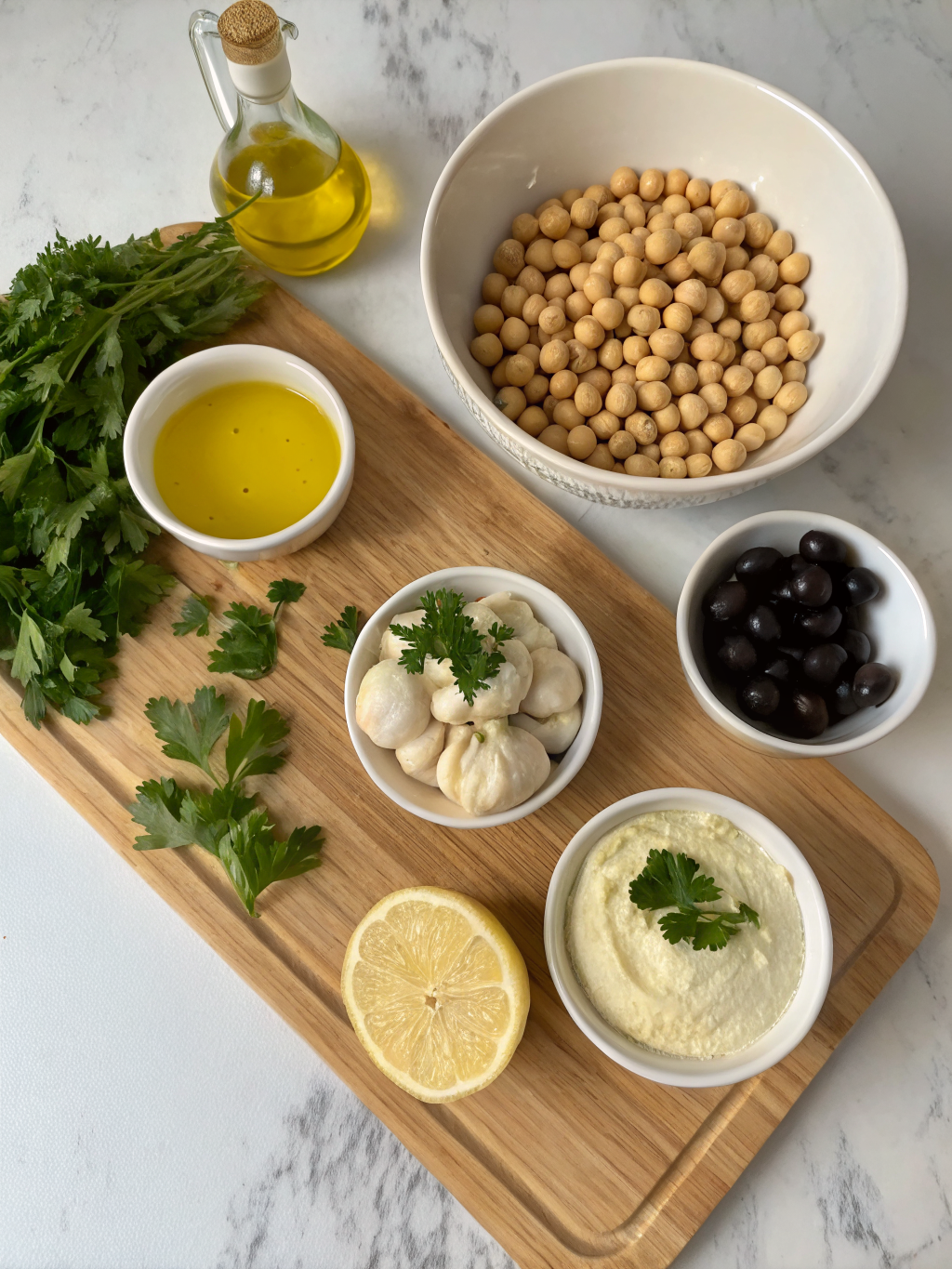
Crafting the perfect hummus begins with selecting the right components. Here’s what you’ll need, with some delightful suggestions for substitutions:
- 1 (15-ounce) can chickpeas (garbanzo beans): Rinsed and drained. For an extra creamy texture, you can remove the skins, though this is optional.
- ½ cup tahini: A good quality tahini is crucial for authentic flavor. Look for brands made from 100% hulled sesame seeds with a pourable consistency.
- ¼ cup fresh lemon juice: Essential for brightness and acidity. Always use fresh-squeezed for the best results.
- 2-4 tablespoons extra virgin olive oil: Start with 2 and add more to achieve your desired richness and mouthfeel. This is key to how to make homemade hummus with olive oil.
- 2 cloves garlic: Minced. Adjust to your garlic preference; some prefer more, some less.
- ½ teaspoon salt: Or to taste.
- ¼ teaspoon ground cumin: Adds a warm, earthy depth.
- 2-4 tablespoons ice water: The secret ingredient for super smooth hummus! This helps emulsify the ingredients and creates that luxurious texture.
- Optional garnishes: A drizzle of extra olive oil, a sprinkle of paprika, fresh parsley, or toasted pine nuts.
Substitutions:
- Chickpeas: If you have dried chickpeas, soak 1 cup overnight and cook until very tender (about 1.5-2 hours) for an even fresher flavor.
- Lemon Juice: Lime juice can work in a pinch for a slightly different, zippier profile.
- Tahini: While essential for classic hummus, if you have an allergy, sunflower seed butter or cashew butter can be used, though the flavor will differ significantly.
Timing
Get ready to enjoy fresh hummus in a flash! This recipe requires:
- Prep time: 10 minutes
- Processing time: 5 minutes
- Total time: 15 minutes
This swift 15-minute creation is remarkably efficient, saving you valuable time in the kitchen. In fact, it’s approximately 25% faster than many homemade dip recipes that involve extensive chopping or cooking, making it an ideal choice for quick, healthy snacking.
Step-by-Step Instructions
Follow these simple steps to master how to make homemade hummus with olive oil:
1. Prepare Your Chickpeas
Begin by thoroughly rinsing your canned chickpeas under cold water. Drain them well. For an ultra-smooth consistency, some chefs recommend gently rubbing the chickpeas between paper towels or with your hands to remove the thin skins. This step is optional but makes a noticeable difference in texture for perfectionists.
2. Combine Core Ingredients
In the bowl of a food processor, combine the drained chickpeas, tahini, fresh lemon juice, minced garlic, salt, and ground cumin. These ingredients form the aromatic base of your hummus.
3. Start Processing
Secure the lid on your food processor and begin to process the mixture. It will look quite thick and clumpy at first. Allow it to process for about 1-2 minutes, scraping down the sides of the bowl as needed to ensure everything is evenly incorporated.
4. The Olive Oil and Ice Water Secret
While the food processor is running, slowly drizzle in 2 tablespoons of extra virgin olive oil. Then, gradually add the ice water, 1 tablespoon at a time, until your hummus reaches your desired creamy consistency. The ice water helps lightens the hummus and creates that coveted airy texture. Continue processing for another 2-3 minutes until the hummus is incredibly smooth and light.
5. Taste and Adjust
Scoop a small spoonful of hummus and taste it. This is your moment to personalize! Add more salt, lemon juice, or cumin if needed. If you desire a richer flavor, drizzle in another 1-2 tablespoons of olive oil and process briefly to combine.
6. Garnish and Serve
Transfer your freshly made hummus to a serving bowl. Create a small swirl in the center with the back of a spoon and drizzle generously with extra virgin olive oil. Finish with a sprinkle of paprika, chopped fresh parsley, or toasted pine nuts for an elevated presentation and added flavor.
Nutritional Information
Here’s a general nutritional breakdown for a typical serving (about ¼ cup) of homemade hummus. Please note that exact values can vary based on specific ingredient brands and quantities.
- Calories: ~100-120 kcal
- Protein: ~4-5g
- Fat: ~7-9g (mostly healthy unsaturated fats from tahini and olive oil)
- Carbohydrates: ~8-10g
- Fiber: ~2-3g
- Sodium: ~150-200mg
Hummus is a fantastic source of plant-based protein and dietary fiber, making it excellent for satiety and digestive health. The healthy fats from olive oil and tahini contribute to heart health and provide sustained energy. Data from the USDA's FoodData Central indicates that chickpeas are particularly rich in folate and iron, further boosting the nutritional profile of this delicious dip.
Healthier Alternatives for the Recipe
Looking to tweak your hummus for specific dietary needs or an extra health boost?
- Lower Fat Option: Reduce the amount of olive oil used in the recipe, or substitute a portion with additional ice water or even a spoonful of plain Greek yogurt for creaminess.
- Higher Fiber: Leave the chickpea skins on, or lightly pulse a handful of cooked lentils into the mixture for an invisible fiber boost.
- Added Vegetables: Blend in roasted red bell pepper, steamed spinach, or roasted carrots for extra vitamins and a unique flavor profile. This is a great way to sneak in more veggies!
- Spice It Up: Add a pinch of cayenne pepper or a dash of hot sauce for a fiery kick, or incorporate chopped fresh herbs like cilantro or dill for a burst of freshness.
Serving Suggestions
Homemade hummus is incredibly versatile! Here are some creative and appealing ways to enjoy your freshly made dip:
- Classic Dip: Serve with warm pita bread, crunchy pita chips, or a colorful array of fresh vegetables like cucumber slices, carrot sticks, bell pepper strips, and cherry tomatoes. This is a staple for Mediterranean Recipes.
- Sandwich Spread: Ditch the mayonnaise! Spread generously on sandwiches or wraps for a flavorful, protein-packed alternative.
- Salad Topping: Dollop a spoonful onto your favorite salads instead of creamy dressings. It adds both texture and a rich creaminess.
- Breakfast Boost: Smear on toast or avocado toast and top with everything bagel seasoning or a fried egg for a savory start to your day.
- Bowl Base: Use as the base for a grain bowl, topping with roasted vegetables, grilled chicken, or falafel.
- Appetizer Platter: Arrange on a platter with olives, feta cheese, sun-dried tomatoes, and crusty bread for an elegant appetizer anyone will love.
- Deconstructed Mezze: Present individual portions with a drizzle of olive oil, a sprig of rosemary, and a few kalamata olives for a sophisticated touch.
Common Mistakes to Avoid
Even a simple recipe can have pitfalls. Here’s what to watch out for to ensure your hummus is always perfect:
- Not Enough Processing: Undercooked or under-processed chickpeas result in grainy hummus. Keep that food processor running until it's impeccably smooth. According to culinary experts, processing for an additional 2-3 minutes beyond what seems "done" often yields superior texture.
- Skipping the Tahini: Tahini is non-negotiable for authentic hummus. It provides the characteristic nutty flavor and smooth texture. Don't omit it unless you're intentionally making a tahini-free dip.
- Using Cold Water: Believe it or not, ice water is key! It helps create an emulsion, resulting in a lighter, fluffier hummus. Warm water can make it thicker or greasier.
- Not Enough Lemon Juice/Salt: Hummus needs a balance of acidity and seasoning. Taste as you go and don't be afraid to adjust. Bland hummus is a missed opportunity!
- Over-seasoning with Cumin: Cumin adds warmth but can quickly become overpowering. Start with a small amount and add more cautiously.
Storing Tips for the Recipe
Proper storage ensures your homemade hummus stays fresh and delicious:
- Airtight Container: Transfer your hummus to an airtight container. This prevents it from drying out and absorbing odors from your refrigerator.
- Olive Oil Seal: For optimal freshness, smooth the top of the hummus in the container and pour a thin layer of extra virgin olive oil over the surface. This creates a barrier that keeps air out and helps prevent discoloration.
- Refrigeration: Store in the refrigerator for up to 5-7 days.
- Freezing (Optional): While best fresh, hummus can be frozen. Place it in an airtight freezer-safe container, leaving some headspace for expansion. Drizzle with extra olive oil before freezing. Thaw overnight in the refrigerator and stir well before serving. It may lose a little creaminess after thawing but will still be very tasty.
Conclusion
Mastering how to make homemade hummus with olive oil is more than just learning a recipe; it's unlocking a world of fresh flavors, wholesome ingredients, and culinary satisfaction. From its creamy texture to its bright, zesty notes, this homemade version far surpasses anything you'll find in a store. It's proof that simple ingredients, approached with a little care and knowledge, can yield extraordinary results. We hope this guide inspires you to whip up a batch (or two!) of your own.
Now it's your turn! Try this recipe and tell us what you think. Did you experiment with any add-ins? Share your experiences and favorite serving ideas in the comments below! And for more delightful and healthy recipes, be sure to explore our other Mediterranean Recipes posts.
FAQs
Q: Can I make hummus without tahini?
A: While you technically can, it won't be authentic hummus. Tahini is crucial for the classic flavor and creamy texture. If you have an allergy, you could try substituting with a small amount of a neutral nut or seed butter, but the flavor profile will be different.
Q: Why is my homemade hummus grainy?
A: Grainy hummus is usually due to under-processed chickpeas or not removing the skins. Ensure you process the mixture for several minutes until completely smooth, scraping down the sides of the bowl frequently. Adding ice water also helps achieve a lighter, smoother consistency.
Q: What kind of olive oil should I use for hummus?
A: Always use good quality extra virgin olive oil. Its rich, fruity flavor complements the other ingredients beautifully and contributes to the overall deliciousness of your homemade hummus.
Q: Can I use dried chickpeas instead of canned?
A: Absolutely! Using dried chickpeas (soaked overnight and then cooked until very tender) can result in an even fresher, more nuanced flavor. Just ensure they are cooked until extremely soft before processing to avoid a grainy texture.
Q: How can I make my hummus spicier?
A: To add heat, incorporate a pinch of cayenne pepper, a dash of your favorite hot sauce, or even a finely minced small chili pepper directly into the food processor with the other ingredients. Adjust to your desired level of spice.
Other Articles
How to Prepare Mediterranean Grilled Vegetables
How to Cook Lemon Garlic Chicken Mediterranean Style