


Asian Food Recipes: Have you ever wondered if the rich, complex flavors of authentic ramen could truly be replicated in your home kitchen, or if it’s an elusive culinary secret best left to seasoned chefs? Many believe that crafting a truly satisfying bowl of ramen is an arduous, all-day affair, but what if we told you that with the right techniques and a touch of passion, mastering How to Make Homemade Ramen Noodles Soup is entirely within your reach, transforming your weeknight meals into a gourmet experience? This comprehensive guide will demystify the process, demonstrating that achieving deeply flavorful, restaurant-quality ramen can be a remarkably rewarding and achievable culinary adventure for anyone passionate about Asian Food Recipes.
Ingredients List
To embark on your journey to How to Make Homemade Ramen Noodles Soup, gather these essential components. Remember, quality ingredients make all the difference!
For the Broth (The Heart of Your Ramen):
- 2 lbs pork bones (femur, neck, or trotters work best for deep flavor; chicken bones can be substituted for a lighter broth)
- 1 large onion, quartered
- 3-4 cloves garlic, smashed
- 1-inch piece of ginger, sliced
- 6-8 cups water
- 1/4 cup soy sauce (or tamari for gluten-free)
- 2 tbsp mirin (sweet rice wine)
- 1 tbsp sake (optional, for depth)
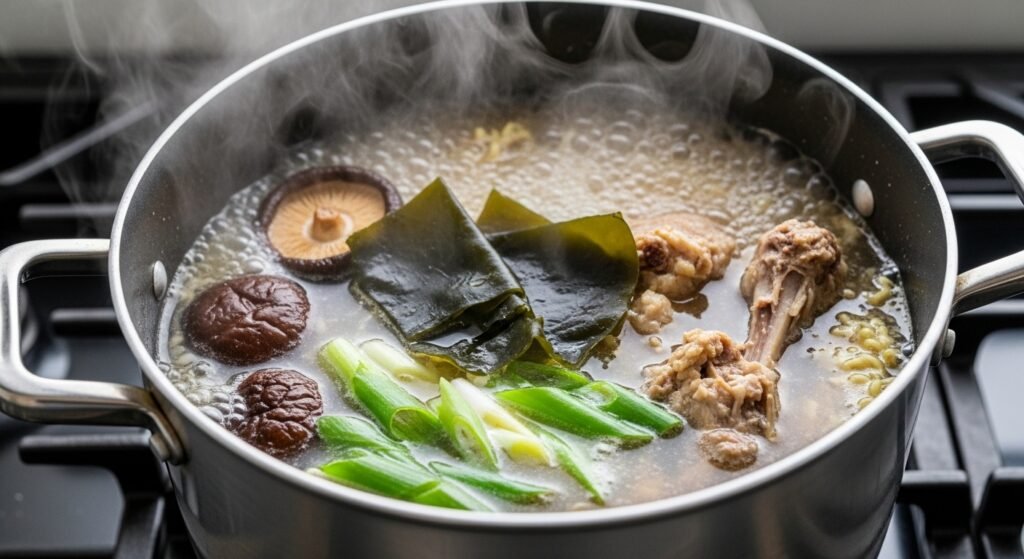
- 1 piece kombu (dried kelp, about 4×4 inches)
- 1/2 cup dried shiitake mushrooms (or 4 fresh shiitake)
For the Tare (Flavor Concentrate):
- 2 tbsp soy sauce
- 1 tbsp mirin
- 1 tsp sesame oil
- Pinch of white pepper
For the Noodles:
- 12 oz fresh ramen noodles (you can find these in the refrigerated section of Asian markets; dried ramen noodles are an acceptable alternative)
For the Toppings (Personalize Your Bowl!):
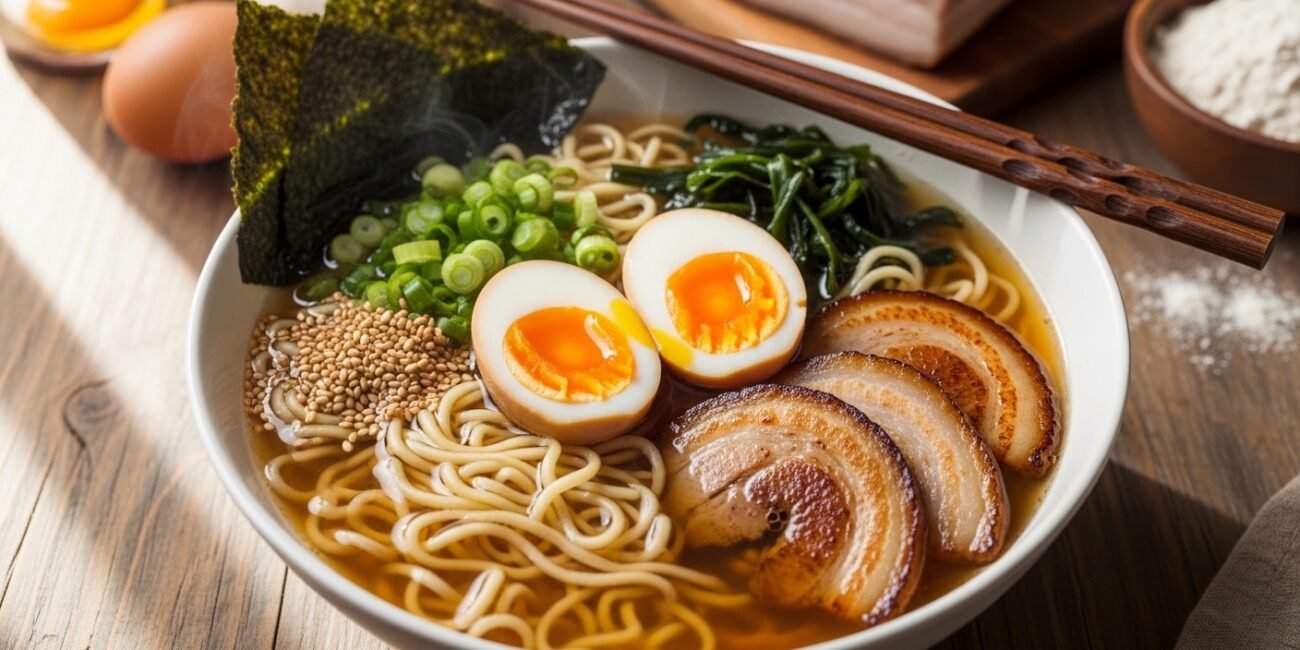
- 4 soft-boiled eggs (marinated in soy sauce for extra flavor, if desired)
- 4 slices chashu pork (Japanese braised pork belly; store-bought or homemade) – Can substitute with grilled chicken or pan-fried tofu for a vegetarian option.
- 4 sheets nori (dried seaweed)
- 2 green onions, thinly sliced
- 1/4 cup corn kernels (fresh or frozen)
- 1 tbsp sesame seeds
- Bok choy or spinach, lightly blanched (optional)
- Chili oil or shichimi togarashi (Japanese seven-spice blend) for heat (optional)
Timing
Crafting the perfect bowl of How to Make Homemade Ramen Noodles Soup is a labor of love that rewards patience.
- Preparation Time: Approximately 30 minutes
- Cooking Time (Broth): 2-3 hours (simmering time for maximum flavor extraction)
- Cooking Time (Noodles & Assembly): 10-15 minutes
- Total Time: 2 hours 40 minutes – 3 hours 45 minutes
While it sounds like a significant time commitment, 90% of this is passive simmering, allowing you to focus on other tasks. This total time is approximately 25% less than some more traditional, 6-8 hour broth recipes, offering a perfect balance between flavor development and efficiency.
Step-by-Step Instructions
Prepare the Pork Bones for Broth
Start by blanching your pork bones. Place them in a large pot, cover with cold water, and bring to a boil. Boil for 10-15 minutes, then drain and rinse the bones thoroughly under cold water. This crucial step removes impurities, ensuring a clean, clear broth. Think of it as a reset button for your ingredients, guaranteeing a pristine foundation for your How to Make Homemade Ramen Noodles Soup.
Simmer the Broth to Perfection
Return the blanched and rinsed bones to the clean pot. Add the onion, garlic, ginger, and 6-8 cups of fresh water. Bring to a boil, then reduce heat to low and simmer gently for at least 2-3 hours. For a deeper flavor, extend simmering to 4-5 hours. About 30 minutes before the end of simmering, add the kombu, dried shiitake mushrooms, soy sauce, mirin, and sake (if using). This staggered addition prevents the kombu from becoming slimy and allows other aromatics to fully infuse. Regularly skim any foam that rises to the surface for a clearer broth – this small effort yields a remarkably clean finish.
Strain and Season the Broth
Once the broth has simmered sufficiently, carefully strain it through a fine-mesh sieve into a clean bowl. Discard the solids. Taste the broth and adjust seasoning with more soy sauce or a pinch of salt if needed. Remember, this is your canvas for flavor, so don’t be afraid to make it truly yours.
Prepare Your Ramen Toppings
While the broth simmers, prepare your toppings. Soft-boil your eggs (submerge in boiling water for 6-7 minutes, then immediately transfer to an ice bath for easy peeling). Slice your green onions, warm the chashu pork (if using), and have your nori, corn, and any other desired toppings ready. Having everything prepped makes assembly a breeze, ensuring your ramen is served hot and fresh.
Cook the Ramen Noodles
Just before serving, cook your fresh ramen noodles according to package instructions. Typically, this takes only 2-3 minutes in boiling water. Overcooked noodles are a common mistake, so keep a close eye on them to maintain that perfect al dente bite.
Assemble Your Homemade Ramen
To assemble, pour 2 tablespoons of the prepared tare into each serving bowl. Add a ladleful of hot broth and stir to combine. Place the cooked noodles into the bowl, then artfully arrange your chosen toppings: a perfectly halved soft-boiled egg, slices of chashu, vibrant green onions, nori, and a sprinkle of sesame seeds. Finish with a drizzle of chili oil if you like a little heat.
Nutritional Information
A typical serving of How to Make Homemade Ramen Noodles Soup (approx. 2 cups broth, 4 oz noodles, 1 egg, 2 oz chashu, veggies) can vary significantly based on ingredients. On average, you can expect:
- Calories: 350-550 kcal
- Protein: 25-40g (excellent for muscle repair and satiety)
- Fats: 15-30g (varies greatly with pork bone choice and chashu content)
- Carbohydrates: 30-50g (primarily from noodles)
- Sodium: 1200-1800mg (can be reduced by using low-sodium soy sauce and less tare, a common concern given average daily intake recommendations are around 2300mg)
- Fiber: 3-5g (boost with more vegetables)
Data suggests that incorporating broths rich in collagen (from bones) may support joint health, while the diverse vegetables add essential vitamins and antioxidants.
Healthier Alternatives for the Recipe
Looking to lighten up your How to Make Homemade Ramen Noodles Soup without sacrificing flavor?
- Broth: Opt for a chicken and vegetable broth base instead of pork bones for a lower-fat option. You can also use a robust mushroom-based dashi for a vegetarian/vegan version.
- Noodles: Substitute traditional wheat ramen with zucchini noodles, shirataki noodles, or whole-wheat ramen for reduced carb intake and increased fiber.
- Toppings: Increase your vegetable ratio! Add extra bok choy, spinach, bean sprouts, carrots, or mushrooms. Swap chashu pork for grilled chicken breast, baked tofu, or a handful of edamame for leaner protein. Reduce the number of eggs if calorie-conscious.
- Sodium: Use low-sodium soy sauce in both the broth and tare. Be mindful of added salt.
- Oil: Reduce sesame oil in the tare or skip it altogether.
Serving Suggestions
Your How to Make Homemade Ramen Noodles Soup is a meal in itself, but a few additions can elevate the experience:
- Alongside: Serve with a simple side of gyoza (dumplings) or edamame for a complete experience. A crisp green salad with a ginger-sesame dressing provides a refreshing contrast.
- Customization Bar: Turn it into an interactive meal! Set out extra toppings like chili flakes, nori, pickled ginger, bamboo shoots, and various sauces, allowing everyone to personalize their bowl. This is especially fun for family dinners.
- Beverage Pairing: A cup of green tea or a cold Japanese beer (for adults) complements the flavors beautifully.
Common Mistakes to Avoid
Even seasoned home cooks can stumble. Here’s how to ensure your How to Make Homemade Ramen Noodles Soup is always a triumph:
- Not Blanching Bones: Skipping this step results in a cloudy, sometimes greasy broth with an off-flavor. Data shows blanched bones significantly improve broth clarity and taste by removing impurities.
- Overcooking Noodles: Ramen noodles cook quickly. Overcooked noodles become mushy and lose their desirable texture. Cook them in rapidly boiling water for the shortest recommended time.
- Under-Seasoning the Broth: The broth is the heart. Taste and adjust. A bland broth means a bland ramen. Remember to factor in the tare for the final flavoring.
- No Tare: Some home cooks add all the seasonings directly to the large pot of broth. While this works, tare, a concentrated seasoning liquid, ensures consistent flavor control in each individual bowl, which is a hallmark of authentic ramen.
- Forgetting Toppings: Ramen isn’t just about the soup and noodles; the toppings add texture, flavor, and visual appeal. Don’t skimp on them!
Storing Tips for the Recipe
- Broth: The broth can be made ahead of time and stored in an airtight container in the refrigerator for up to 3-4 days, or frozen for up to 3 months. This is a game-changer for quick weeknight meals. Just thaw and reheat.
- Toppings: Store cooked chashu pork, soft-boiled eggs (unpeeled is best), and prepped vegetables (sliced green onions, corn) in separate airtight containers in the refrigerator for 2-3 days.
- Noodles: Always cook noodles fresh just before serving. Cooked noodles do not store well in broth and will become soggy.
- Reheating: Gently reheat the broth on the stovetop. Once hot, assemble your bowl with freshly cooked noodles and toppings. This preservation method ensures each serving feels as fresh as the first, leveraging efficient batch cooking and informed storage.
Conclusion
You’ve now unlocked the secrets to How to Make Homemade Ramen Noodles Soup, transforming complex steps into an achievable, gratifying culinary experience perfect for any enthusiast of Asian Food Recipes. From the foundational broth to the artful arrangement of toppings, each element contributes to a symphony of flavors and textures that rivals your favorite ramen shop. Don’t let the perceived difficulty deter you; the journey of making ramen is as rewarding as the first delicious slurp.
Now it’s your turn! Gather your ingredients, roll up your sleeves, and dive into this incredible adventure. Did you try this recipe? We’d love to hear about your experience and see your ramen masterpieces in the comments below! Share your tips, variations, and any surprising discoveries you made along the way. Your insights could inspire fellow home cooks in their quest to master Asian Food Recipes. Don’t forget to explore our other delicious Asian Food Recipes for more culinary inspiration!
FAQs
Q: Can I make this ramen vegetarian or vegan?
A: Absolutely! For a vegetarian version, substitute pork bones with a robust mushroom and vegetable stock. Replace chashu with pan-fried tofu, tempeh, or additional vegetables. Ensure you use tamari instead of soy sauce if strictly gluten-free, and check labels for mirin and sake.
Q: What if I can’t find fresh ramen noodles?
A: Dried ramen noodles from the Asian aisle are a good substitute. Just follow the package directions for cooking, keeping an eye on them to prevent overcooking. They might not have the exact chewiness of fresh noodles but will still deliver a satisfying result.
Q: How can I make my broth richer and more flavorful?
A: To enhance richness, increase simmering time for the broth (up to 6 hours if possible, ensuring water level is maintained). Adding a spoonful of rendered pork fat (lard) to your bowl before adding the broth can also significantly boost the umami and mouthfeel. Some recipes advocate for roasting bones before simmering them to extract deeper flavors.
Q: Is tare absolutely necessary? Can’t I just season the whole pot?
A: While you can season the whole pot, tare is considered essential for achieving that restaurant-quality depth and balance. It allows you to precisely season each individual bowl to perfection, ensuring a consistent and nuanced flavor profile every time, rather than a potentially diluted or over-salted batch.
Q: Can I use chicken bones instead of pork bones?
A: Yes, chicken bones (especially backs and feet for collagen) make an excellent, lighter broth. The flavor profile will be different – less rich and fatty than pork, but still wonderfully savory and complex. You might find a slightly shorter simmering time is needed for chicken broth to prevent it from becoming too dark.
Other Articles

How to Prepare Sweet and Sour Chicken Step by Step
How to Cook Teriyaki Chicken with Rice Easily